

The best New Zealand souvenirs include authentic pounamu, Māori art from recognised makers, merino wool, mānuka honey, New Zealand wine, locally designed Kiwiana, skincare, books and prints, chocolate, and packaged food gifts. Choose according to authenticity, luggage limits, destination-country rules and the recipient’s known interests—not age or relationship alone.
A useful souvenir should carry a clear connection to Aotearoa New Zealand and still suit the way you plan to give or transport it. A small local artwork may become a lasting keepsake, while a sealed food gift can be shared and enjoyed soon after the journey.
Quick answer: For a lasting keepsake, consider authentic pounamu, Māori-made art, merino wool or a New Zealand print. For something consumable, consider mānuka honey, wine, chocolate or a well-presented packaged food gift.
Before buying, check the product’s origin, the maker or producer, its size and weight, and any customs or biosecurity restrictions at your destination.
How to Choose the Best New Zealand Souvenirs
A souvenir does not need to display a silver fern or kiwi to feel connected to New Zealand. Its materials, maker, place of production and story can create a stronger connection than decoration alone.
Before you buy, consider five practical questions:
- Is it genuinely connected to New Zealand? Check where it was designed, made or produced.
- Is the source clear? For culturally significant items, look for information about the artist, carver or authorised seller.
- Can you transport it responsibly? Consider weight, breakability, heat and space in your luggage.
- Does it match a known preference? Think about taste, materials, fragrance, alcohol use and dietary requirements.
- Can it enter the destination country? Food, honey, alcohol, plant materials and animal products may be restricted.
10 Popular New Zealand Souvenirs to Bring Home
1. Authentic Pounamu
Pounamu has deep significance in Māori culture and is associated with whakapapa, status, connection and gifting. The meaning and provenance of a piece matter more than simply choosing a familiar shape.
Buy from a reputable gallery, carver or retailer that identifies its New Zealand origin and maker. The Ngāi Tahu Pounamu traceability system is one way to verify a piece’s origin and carver. Learn what a design represents instead of selecting it only for appearance.
2. Māori Art and Craft
Works by Māori artists include weaving, prints, jewellery, ceramics and contemporary design. They reflect individual artists, practices and stories.
Look for the artist’s name and an explanation of the work. This helps distinguish authentic work from mass-produced imitation.
3. Merino Wool and Other New Zealand Textiles
Merino garments, scarves, socks and blankets connect with New Zealand’s farming and textile history. Possum-merino blends are another commonly seen option.
Check the fibre composition, country of manufacture and care instructions. “New Zealand wool” does not always mean that the finished product was made in New Zealand, so the label is important if local manufacture matters to you.
4. Mānuka Honey
Mānuka honey is one of New Zealand’s most recognisable food products. Compare labels, grades and pack sizes, and check the net weight before adding several jars to your luggage.
Avoid treating mānuka honey as a universal wellness gift. Taste, dietary choices and destination-country import rules should all be considered. Honey is subject to the requirements of the country you are entering.
5. New Zealand Wine
Wine can represent a particular New Zealand region or producer. Marlborough Sauvignon Blanc is widely recognised, while Pinot Noir, Chardonnay, Riesling and other styles offer alternatives.
Bottles add weight, require protection and may be subject to alcohol allowances, duties or age restrictions. Check airline baggage rules and the customs rules of your destination before purchasing.
6. New Zealand Skincare and Body Products
Locally made soaps, hand creams, balms and skincare are compact non-food options. Some use mānuka honey, botanical oils or lanolin.
Read the full ingredient list rather than choosing by the front label alone. Fragrance, allergies, personal routines and liquid limits can affect whether a product is appropriate or convenient to carry.
7. New Zealand Chocolate and Confectionery
Chocolate, toffee and other confectionery can be smaller gifts. Products made by New Zealand businesses have a clearer connection than items merely sold here.
Chocolate needs protection from heat, and all packaged foods should be checked for allergens. If presentation matters, look for sealed boxes or tins rather than loose pieces.
8. Kiwiana and New Zealand Design
Kiwiana draws on symbols associated with New Zealand life, including native birds, holiday imagery, familiar foods and phrases. It appears on tea towels, mugs, stationery and ornaments.
The category ranges from inexpensive novelty gifts to thoughtful work by New Zealand designers. Check who designed and made the item if you want something with a stronger local connection.
9. Books, Photography and Art Prints
A book by a New Zealand writer, a native-bird guide, a landscape photograph or a local print can preserve a specific memory. Prints still need a rigid sleeve or tube.
Choose a region visited, a native species seen or a story that added context to the journey.
10. Packaged New Zealand Food Gifts
Packaged foods offer a taste of New Zealand and can be shared after returning home. Check where each product was made and whether its packaging protects the contents.
For more detail, read our guide to New Zealand food souvenirs. Travellers should also review ingredient and allergen information and confirm whether the product can enter their destination country.
New Zealand Souvenir Comparison
| Souvenir | Why people choose it | Practical consideration |
|---|---|---|
| Pounamu | Cultural meaning and lasting value | Verify origin, maker and meaning |
| Māori art | Connection to an artist and story | Avoid uncredited imitations |
| Merino textiles | Useful, warm and durable | Check fibre content and manufacture |
| Mānuka honey | Recognisable New Zealand food product | Heavy; import rules vary |
| New Zealand wine | Regional and producer-specific choice | Fragile; alcohol limits apply |
| Skincare | Compact and usable | Check ingredients and liquid limits |
| Chocolate | Shareable and widely familiar | Sensitive to heat |
| Kiwiana | Playful reminder of New Zealand | Local design and manufacture vary |
| Books and prints | Personal link to a place or story | Protect from bending and moisture |
| Packaged food gifts | Consumable and easy to share | Check allergens, fragility and import rules |
Food Souvenirs or Non-Food Souvenirs?
Neither category is automatically better. Non-food gifts can last and may connect strongly to a maker or place. Food gifts create a shorter, shared experience.
Choose a non-food item when you know the person values clothing, art, books or useful objects. Choose food when you know their tastes and dietary needs. Combining a lasting object with a consumable item can provide both memory and experience.
How to Choose Without Guessing Someone’s Preferences
A relationship label such as “parent”, “friend”, “colleague” or “client” does not reveal what someone will enjoy. Use information you actually know:
- Do they drink alcohol?
- Do they have food allergies or dietary restrictions?
- Would they use wool, skincare, stationery or homeware?
- Do they prefer a lasting keepsake or something consumable?
- Are there colours, flavours, artists or New Zealand places they already like?
If preferences are uncertain, prioritise clear provenance, restrained presentation and useful product information. Avoid health promises and broad claims that an item suits every culture or every recipient.
Packing Souvenirs and Checking Border Rules
Pack heavy items low and close to the centre of a suitcase. Place bottles in protective sleeves and separate them from hard objects. Keep prints flat or use a rigid tube. Delicate food should be cushioned and protected from movement; a tin improves presentation and gives some protection, but it cannot prevent every impact.
Customs and biosecurity requirements depend on the destination. Honey, food, alcohol, wool, untreated plant material and other natural products may require declaration or may be restricted. New Zealand’s Ministry for Primary Industries advises travellers to check the requirements of the country they are entering. Review current airline, customs and quarantine rules rather than relying on a general guide.
If packaged food is your priority, our separate guide explains what to consider when packing food gifts from New Zealand.
Lowrey Butter Cookies as a New Zealand Food Souvenir
Lowrey Butter Cookies are handcrafted in small batches in New Zealand and presented in distinctive red metal gift tins. The collection contains six single-flavour options: Original, Coffee, Chocolate, Matcha, Raspberry and Black Sesame.
Lowrey Original Butter Cookies are made with four simple ingredients, including 42% New Zealand grass-fed cultured butter. Their texture is delicate, very fragile and melt-in-the-mouth—not hard or crunchy. This means the tin should still be packed carefully when travelling.
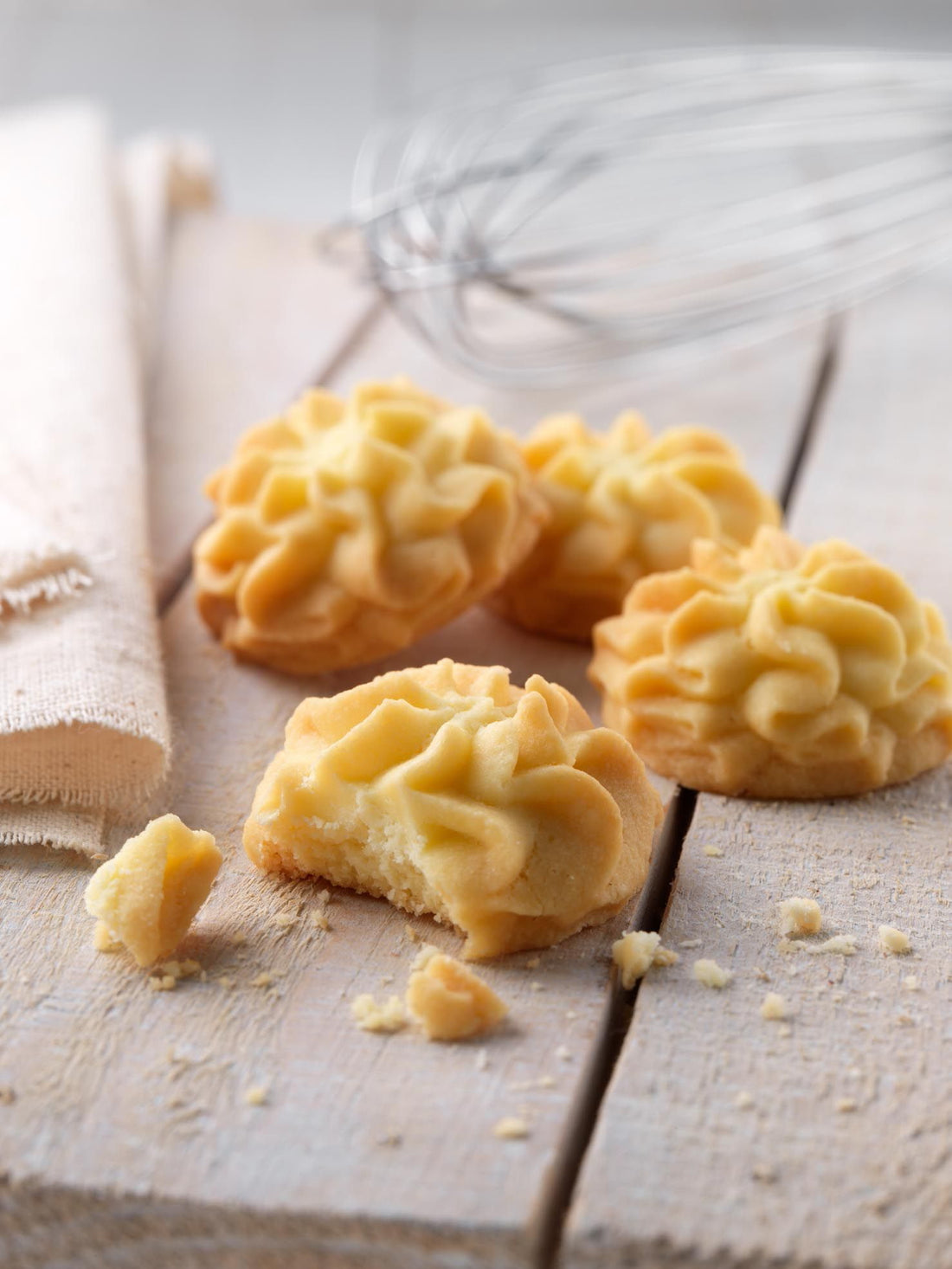
Lowrey Original Butter Cookies and the distinctive red gift tin.
Each Lowrey tin contains one flavour. Multi-flavour value packs contain several separate single-flavour tins; they are not mixed-flavour tins. Review the current product label for ingredients and allergens before purchasing, especially when the gift is intended for someone else.
Frequently Asked Questions
What are the best souvenirs to buy in New Zealand?
Popular New Zealand souvenirs include authentic pounamu, Māori art, merino wool, mānuka honey, wine, locally designed Kiwiana, skincare, books and prints, chocolate, and packaged food gifts. The right choice depends on provenance, practical transport needs and the recipient’s known preferences.
What souvenirs are uniquely connected to New Zealand?
Pounamu with verified New Zealand origin, work by Māori artists, New Zealand-made merino products, local art, mānuka honey and food made in New Zealand can all carry a clear local connection. Check the maker, materials and country of manufacture rather than relying only on New Zealand imagery.
What New Zealand souvenirs are easy to pack?
Small prints, jewellery, textiles and compact sealed foods can be manageable to pack, but every item needs appropriate protection. Consider weight, liquid limits, heat, breakability and destination-country restrictions before purchasing.
Can I take mānuka honey overseas?
It depends on the destination country. Honey may be subject to customs and quarantine rules, and declaration may be required. Check current official requirements for the country you are entering before travelling.
Are Lowrey Butter Cookies mixed-flavour tins?
No. Each Lowrey tin contains one flavour. Multi-flavour value packs contain several separate single-flavour tins, not a mixture of flavours within one tin.
Where should I buy pounamu or Māori art?
Buy from reputable artists, galleries, carvers or retailers that clearly identify the maker, material and provenance. Ask about the meaning of a design and avoid uncredited mass-produced imitations.

