

What food should you try on your first trip to New Zealand? The answer goes well beyond one national dish. Aotearoa New Zealand’s food culture brings together Māori cooking traditions, abundant seafood, farming, regional produce, everyday bakery favourites and much-loved desserts.
This guide introduces 10 must-try New Zealand foods, explains what each one tastes like, suggests where or when to look for it and separates foods best enjoyed locally from packaged New Zealand food gifts that are more practical to take home.
Quick answer: First-time visitors should look for New Zealand crayfish, green-lipped mussels, lamb, Māori hāngī, fish and chips, meat pies, whitebait fritters, pavlova, hokey pokey ice cream and artisan cheese. Eat fresh and temperature-sensitive foods during the trip; choose sealed, clearly labelled products when shopping for food souvenirs.

New Zealand Food at a Glance
| Food | What to expect | Where or when to try it | Take home? |
|---|---|---|---|
| Crayfish | Sweet, firm shellfish | Coastal restaurants, especially around Kaikōura | Best eaten fresh |
| Green-lipped mussels | Large mussels with a rich marine flavour | Marlborough and seafood menus nationwide | Best eaten fresh |
| New Zealand lamb | Roasted, grilled or slow-cooked | Restaurants, pubs and farm dining | Eat during the trip |
| Hāngī | Meat and vegetables cooked in an earth oven | Māori cultural experiences and special occasions | Experience locally |
| Fish and chips | Battered local fish with hot chips | Takeaway shops and coastal towns | Eat immediately |
| Meat pie | Individual savoury pie with flaky pastry | Bakeries, cafés and service stations | Best eaten warm |
| Whitebait fritter | Delicate whitebait bound in a light egg mixture | Seasonal menus, especially on the South Island’s West Coast | Eat fresh |
| Pavlova | Meringue, cream and fruit | Celebrations, restaurants and dessert counters | Too delicate for most travel |
| Hokey pokey ice cream | Vanilla ice cream with honeycomb-toffee pieces | Ice-cream shops and supermarkets | Enjoy locally |
| Artisan cheese | Soft, blue, aged and farm-style cheeses | Cheeseries, farmers’ markets and speciality shops | Check refrigeration and destination rules |
This list is a practical introduction, not an official national ranking. Availability, recipes and regional traditions vary, and some of the best food experiences will be daily specials that never appear on a “top 10” list.
1. New Zealand Crayfish and Coastal Seafood
In New Zealand, the word crayfish usually refers to spiny rock lobster rather than the small freshwater crustacean called crawfish in parts of the United States. The flesh is firm and naturally sweet, so simple preparation—grilled, boiled or served with lemon and butter—lets the seafood remain the focus.
Kaikōura is particularly associated with crayfish, while coastal menus around the country may feature different fish, pāua, clams and local shellfish. Prices and availability change with season, catch and location, so check the day’s menu rather than expecting the same seafood everywhere.
Best approach: enjoy crayfish or a mixed seafood plate close to the coast. Fresh seafood is not a practical general-purpose souvenir, and travellers must consider refrigeration, airline handling and the destination country’s biosecurity rules.
2. New Zealand Green-Lipped Mussels
New Zealand green-lipped mussels are recognisable by the green edge of their shells and their larger size. They may be steamed with wine and herbs, served in a chowder, cooked in a tomato broth or added to a seafood platter.
Havelock and the wider Marlborough region are strongly associated with green-lipped mussels, but they appear on seafood menus throughout the country. If you have only tried smaller mussels elsewhere, this is a useful New Zealand comparison because both the size and texture can be noticeably different.
Best approach: order them freshly cooked and ask how they are prepared. Shellfish allergens apply, and anyone with a serious allergy should confirm kitchen handling directly with the venue.
3. New Zealand Lamb
Lamb remains one of New Zealand’s best-known agricultural foods. Visitors may find it roasted with root vegetables, grilled as a rack or cutlet, braised slowly, served in a pie or paired with seasonal produce and local wine.
There is no single preparation that defines all New Zealand lamb. A country pub may offer a hearty roast, while a winery restaurant may serve a more modern plate. The useful question is not simply “Is lamb on the menu?” but how the cut has been cooked and what regional ingredients accompany it.
Best approach: try lamb as a sit-down meal rather than buying a frozen product for travel. Fresh meat is tightly regulated at many international borders.
4. Māori Hāngī
Hāngī is a Māori method of cooking food in an earth oven. Heated stones provide the cooking heat, while covered baskets of meat and vegetables cook slowly below ground. Common foods can include chicken, pork or mutton together with potato, pumpkin and kūmara, although the exact meal varies by host, community and occasion.
A hāngī is more than a flavour or restaurant recipe. It involves preparation, time, shared work and hospitality. Visitors should choose an experience that presents the food respectfully and explains its cultural setting rather than treating hāngī as a novelty cooking trick.
Rotorua is one of the best-known places for visitors to encounter hāngī through Māori cultural experiences. Tourism New Zealand’s guide to New Zealand food and drink is a useful starting point for regional ideas.
Best approach: experience hāngī in New Zealand, ideally in a setting where the hosts explain the preparation and cultural context.
5. Fish and Chips by the Coast
Fish and chips are an everyday New Zealand takeaway favourite, especially near beaches and holiday towns. A typical order combines battered or crumbed fish with hot chips, often wrapped for takeaway rather than arranged as a formal restaurant dish.
The fish species can vary by region and season. Snapper, tarakihi, hoki, gurnard and blue cod may appear, but not every shop offers every fish. Ask what the standard fish is and whether premium species cost extra. A freshly cooked portion eaten nearby will usually give a better impression than one carried for a long time in a closed package.
Best approach: order only what you can eat while it is hot, and add lemon or sauce according to your preference. This is an experience to enjoy during the trip, not a food souvenir.
6. The New Zealand Meat Pie
The individual savoury pie is part of everyday food culture in New Zealand. It is sold in bakeries, cafés, dairies and service stations, making it one of the easiest local foods to try without planning a restaurant meal.
Common fillings include mince and cheese, steak and cheese, bacon and egg, butter chicken, lamb and mint, venison and potato top. Quality varies: look for crisp pastry, a properly heated centre and a filling that tastes distinct rather than simply salty.
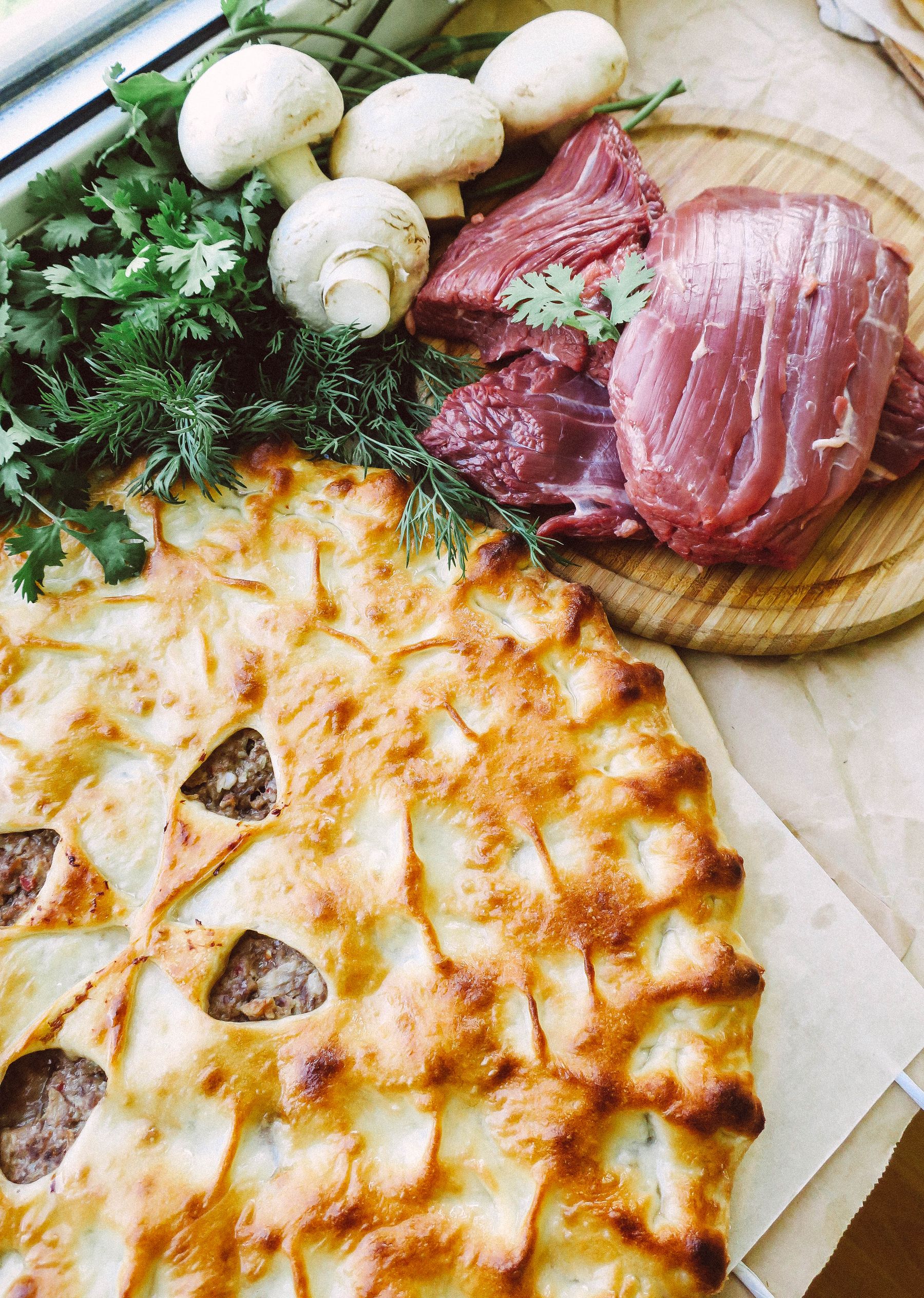
Best approach: try a classic filling first, then compare it with a bakery’s house speciality. Let a very hot pie cool briefly before biting into it; the filling can retain more heat than the pastry suggests.
7. Whitebait Fritters
A New Zealand whitebait fritter is usually deliberately simple: small whitebait are held together with a light egg mixture and cooked as a thin fritter. The aim is to preserve the delicate flavour rather than bury it under a thick batter.
Whitebait is seasonal and regulated. It is especially associated with the West Coast of the South Island, although fritters may appear elsewhere when supply is available. Because seasons, catch conditions and rules can change, travellers should avoid relying on old dates or assuming every restaurant will have it.
Best approach: look for it as a seasonal special and ask about the source. The dish contains fish and normally egg, so it is unsuitable for people avoiding those allergens.
8. Pavlova
Pavlova is a meringue-based dessert with a crisp outer shell and a soft, marshmallow-like centre. It is commonly topped with whipped cream and fruit such as kiwifruit, strawberries, berries or passionfruit.
New Zealanders often serve pavlova for Christmas and other gatherings. New Zealand and Australia have a long-running debate about the dessert’s origin, so it is more useful for a visitor to understand its place in local celebration food than to repeat an absolute origin claim.

Best approach: order a slice or small pavlova where it can be eaten soon after assembly. Cream, moisture and movement make a finished pavlova impractical for long-distance travel.
9. Hokey Pokey Ice Cream
Hokey pokey ice cream usually combines a vanilla ice-cream base with small pieces of crunchy honeycomb toffee. The contrast between cold, creamy ice cream and caramelised crunch makes it immediately recognisable.
It is widely available in supermarkets and scoop shops. Different brands use different piece sizes and base recipes, so trying a scoop is a simple way to compare one of New Zealand’s most familiar sweet flavours without committing to a large container.
Best approach: enjoy it locally. Ice cream is obviously unsuitable for ordinary luggage or unrefrigerated shipping, although packaged hokey pokey confectionery can be easier to carry.
10. New Zealand Artisan Cheese
New Zealand’s dairy tradition extends beyond milk and butter to a broad range of cheeses. Visitors can find soft-ripened cheese, blue cheese, aged cheddar-style cheese and varieties made from cow, goat or sheep milk.
Cheeseries, farmers’ markets and speciality food stores often provide the best opportunity to ask about production, serving temperature and regional character. A local cheese board also pairs naturally with New Zealand wine, bread, fruit and preserves.
Best approach: eat fresh cheese during your trip unless you have confirmed cold storage and the destination’s import rules. Sealed packaging does not automatically mean a dairy product may enter another country.
A Short Guide to Classic New Zealand Drinks
Although drinks are not included in the 10-food list, they are part of the wider experience. Marlborough Sauvignon Blanc is one of the country’s most internationally recognised wine styles. Central Otago is strongly associated with Pinot Noir, while other regions produce Syrah, Chardonnay, Riesling and many additional varieties.
For a non-alcoholic option, L&P—short for Lemon & Paeroa—is a long-established New Zealand soft drink. Independent coffee roasters, craft breweries, cider makers and local juice producers also vary from region to region.
Anyone drinking alcohol should follow local age requirements, drink responsibly and check airline and destination-country limits before carrying bottles.
Which New Zealand Foods Make Practical Souvenirs?
The most memorable food during a trip is not always the easiest food to bring home. Fresh seafood, cooked meat, ice cream, cream-topped desserts and soft cheese require temperature control or may face strict border rules. For travel gifts, sealed and shelf-stable products are usually simpler.
| Souvenir type | Why it can work | What to check |
|---|---|---|
| Butter cookies or shortbread | Sealed, shareable and suitable for gifting | Fragility, allergens and best-before date |
| Chocolate and confectionery | Easy to divide among recipients | Heat, melting and ingredient restrictions |
| Tea or coffee | Compact and generally straightforward to pack | Sealed packaging and destination rules |
| Honey | Strong New Zealand association | Weight, leakage, liquid limits and import restrictions |
| Wine | Clear regional identity | Alcohol allowances, taxes, age rules and breakage |
New Zealand’s Ministry for Primary Industries advises travellers to check the destination country’s requirements before taking food overseas. Airline rules, security restrictions and the final country’s customs and biosecurity requirements all matter. Declare food whenever the destination requires it; do not assume that a factory-sealed product is automatically permitted.
Bringing a Taste of New Zealand Home: Lowrey Butter Cookies
Lowrey Butter Cookies are not presented here as one of New Zealand’s 10 traditional foods. They are a modern, New Zealand-made food gift for travellers and customers who want a packaged product that can be shared after the journey.
The cookies are handcrafted in small batches in New Zealand with New Zealand cultured butter and packed in red steel tins. Lowrey’s texture is delicate, very fragile and melt-in-the-mouth rather than hard or crunchy. The tin provides useful protection, although some breakage can still occur if luggage or courier parcels receive rough handling.

Six flavours, each in its own tin
The current Butter Cookie range includes:
- Original — the classic butter-focused flavour, made with 42% New Zealand cultured butter.
- Coffee — a smooth coffee and cocoa character, made with 44% New Zealand cultured butter.
- Chocolate — cocoa flavour balanced with a rich butter cookie base.
- Matcha — an aromatic green-tea profile made with Shizuoka matcha.
- Raspberry — a bright fruit-led flavour made with freeze-dried raspberry.
- Black Sesame — a roasted sesame flavour with an especially delicate texture.
Each individual tin contains one flavour only. A six-flavour pack contains six separate tins; it does not mix all six flavours inside one tin. Each standard tin contains approximately 35–45 pieces on average, with natural variation possible because the cookies are handcrafted.
Ingredients, allergens and storage
Lowrey Butter Cookies contain milk and wheat. The recipes are egg-free, but flavour-specific allergens and ingredients vary: Black Sesame contains sesame, and Raspberry includes sulphites. Always check the current product page and the label on the selected tin, particularly when buying for someone with allergies.
Unopened tins have a stated shelf life of nine months, with the printed best-before date serving as the final reference. After opening, press the lid firmly back into place, keep the tin in a cool and dry location and enjoy the cookies within four weeks for the best flavour and texture.
New Zealand and international delivery
Travellers can buy Lowrey for personal gifting, while customers outside New Zealand can order directly where delivery is available. Under the current offer, New Zealand orders of NZ$120 or more qualify for free domestic shipping. International orders of NZ$169 or more qualify for free DHL shipping to eligible destinations across more than 60 countries.
Available destinations, services, charges and current terms are shown at checkout and in the Lowrey shipping policy. International duties, taxes and clearance requirements may apply, and delivery dates cannot be guaranteed.
Looking for a New Zealand Food Gift?
Explore six Lowrey Butter Cookie flavours in gift-ready red tins.
A Practical First-Time Visitor Food Plan
- Begin with everyday foods. Try a bakery pie and fish and chips early in the trip; they are widely available and do not require a special booking.
- Choose one regional seafood experience. Match the choice to your route—crayfish, green-lipped mussels or the local catch of the day.
- Plan hāngī thoughtfully. Select a Māori cultural experience that explains the preparation and context.
- Add one restaurant meal. New Zealand lamb or a local cheese board can show how regional produce is used in contemporary dining.
- Save room for dessert. Compare pavlova with a scoop of hokey pokey ice cream rather than trying both after a very large meal.
- Buy souvenirs near the end. This reduces carrying time and makes it easier to check best-before dates, luggage space and destination restrictions.
Frequently Asked Questions
What food is New Zealand most famous for?
New Zealand is known for seafood, lamb, Māori hāngī, savoury meat pies, fish and chips, pavlova, hokey pokey ice cream and dairy products. No single dish represents every region or community, so visitors usually get a better introduction by trying several foods.
What is Māori hāngī?
Hāngī is a Māori cooking method in which heated stones provide the heat for baskets of meat and vegetables cooked in a covered earth oven. The ingredients and occasion vary, and visitors should experience it in a setting that explains its preparation and cultural context.
Is New Zealand crayfish the same as lobster?
In New Zealand, crayfish generally means spiny rock lobster. It does not have the large claws associated with some other lobsters, and it is different from the small freshwater crawfish referred to as crayfish in some countries.
What desserts should I try in New Zealand?
Pavlova and hokey pokey ice cream are two useful starting points. Pavlova combines meringue, cream and fruit, while hokey pokey ice cream combines vanilla ice cream with crunchy honeycomb-toffee pieces.
Which New Zealand foods are good souvenirs?
Sealed, shelf-stable products such as butter cookies, shortbread, chocolate, confectionery, tea and coffee are generally more practical than fresh seafood, meat, ice cream or cream-topped desserts. Honey and wine can also be popular, but weight, leakage, airline limits and destination import rules need extra attention.
Can I take New Zealand food on an international flight?
Often yes, but the answer depends on the food, airline, security rules and destination country. Check current requirements before travel, keep products in clearly labelled packaging and declare all food when the destination requires it.
What are the six Lowrey Butter Cookie flavours?
The six flavours are Original, Coffee, Chocolate, Matcha, Raspberry and Black Sesame. Every flavour has its own carefully balanced recipe, so one butter percentage should not be used to describe the whole range.
Does one Lowrey tin contain mixed flavours?
No. Each individual Lowrey Butter Cookie tin contains one flavour only. A multi-flavour pack contains several separate tins in the fixed flavours stated on its product page.
Why do Lowrey Butter Cookies break easily?
Lowrey Butter Cookies are intentionally delicate, very fragile and melt-in-the-mouth rather than hard or crunchy. The steel tin helps protect them, but rough luggage or parcel handling can still cause some breakage.
How should Lowrey Butter Cookies be stored?
Keep unopened tins in a cool, dry place and use the printed best-before date as the final reference. After opening, press the lid firmly back into place, keep the tin away from heat, sunlight and moisture, and enjoy the cookies within four weeks for the best flavour and texture.
Final Thoughts
The best way to explore New Zealand food is to combine place, season and occasion. Eat seafood near the coast, try hāngī in a respectful cultural setting, compare everyday bakery pies and leave room for pavlova or hokey pokey ice cream.
When it is time to bring something home, choose a food that suits the journey. A sealed, clearly labelled New Zealand-made gift such as Lowrey Butter Cookies is more practical for many travellers than fresh or refrigerated food, while still giving family, friends or colleagues something made in New Zealand to open and share.

