

Short answer: Matcha is a type of green tea, but it is prepared and consumed differently from ordinary brewed green tea. With matcha, finely ground tea powder is whisked into water and remains in the drink. With brewed green tea, the leaves are steeped in water and usually removed before drinking.
This difference changes the colour, flavour, texture, caffeine per serving and overall drinking experience. Matcha is usually fuller, more vegetal and more concentrated, while brewed green tea is generally lighter and clearer.
This guide compares matcha with brewed green tea. For a detailed comparison between matcha and other powdered teas, read our guide to matcha vs green tea powder.
The main difference: Matcha is consumed as suspended tea powder. Brewed green tea is an infusion made by steeping leaves and normally removing them before drinking.
Matcha vs Green Tea at a Glance
| Feature | Matcha | Brewed Green Tea |
|---|---|---|
| Form | Finely ground tea powder | Loose leaves, tea bags or leaf pieces |
| Preparation | Whisked or mixed into water | Steeped in water and usually removed |
| What you consume | The suspended tea powder and water | Compounds released from the leaves into water |
| Typical appearance | Opaque green with a possible layer of foam | Clearer yellow, yellow-green or green infusion |
| Typical flavour | Vegetal, umami, mildly sweet, bitter or astringent | Light, fresh, grassy, floral, nutty or roasted, depending on the tea |
| Mouthfeel | Fuller and sometimes creamy or finely textured | Lighter and more transparent |
| Caffeine | Contains caffeine; amount depends on the powder and serving | Contains caffeine; amount depends on the tea and brewing method |
| Common uses | Traditional tea preparation, lattes, desserts and baking | Hot tea, iced tea and food pairing |
These are general differences rather than fixed rules. Green tea includes many tea styles, and the flavour of both matcha and brewed tea varies with origin, cultivar, processing, freshness and preparation.
Is Matcha a Type of Green Tea?
Yes. Matcha is green tea, but not every green tea is matcha.
Green tea is a broad category made from the leaves of Camellia sinensis. The leaves are heated after harvesting to limit oxidation. Different growing and processing methods produce teas such as sencha, gyokuro, bancha, longjing and matcha.
Traditional matcha is associated especially closely with Japanese tea production. It is made from tencha, which is produced from tea leaves shaded before harvest and processed for grinding.
That production method contributes to matcha’s characteristic green colour, vegetal aroma and umami taste. However, colour or country of origin alone does not prove the quality of a particular product.
How Are Matcha and Brewed Green Tea Prepared?
Preparing matcha
Matcha powder is placed in a bowl or cup and mixed with water. A bamboo whisk is traditionally used, although other suitable mixing tools can also disperse the powder.
The matcha is not steeped and removed. The fine tea particles remain suspended in the drink, which gives matcha its opaque appearance and fuller mouthfeel.
The powder may gradually settle if the drink is left standing. This is normal and does not necessarily indicate poor quality.
Preparing brewed green tea
Brewed green tea is made by placing tea leaves or a tea bag in water for a set period. The leaves are then removed or separated from the liquid.
Water temperature and steeping time matter. Water that is too hot or an excessively long steep can draw out more bitterness and astringency. The appropriate method varies according to the type of green tea.
The finished drink is usually clearer and lighter in texture than matcha because the leaf particles are not intentionally consumed.
What Do Matcha and Green Tea Taste Like?
Matcha usually has a more concentrated flavour than an ordinary cup of brewed green tea. Common matcha characteristics include:
- Vegetal or leafy aroma
- Umami
- Mild natural sweetness
- Bitterness
- Astringency
- A fuller, finely textured mouthfeel
A good matcha does not have to be completely free from bitterness. The balance between umami, sweetness, bitterness and astringency depends on the tea, freshness, quantity used and water temperature.
Brewed green tea usually tastes lighter, but there is no single “green tea flavour.” Depending on the tea, it may taste:
- Fresh and grassy
- Floral
- Sweet or savoury
- Nutty
- Roasted
- Marine or seaweed-like
- Bitter or astringent
Someone who finds one green tea too bitter may still enjoy another style prepared with cooler water or a shorter steep.
Does Matcha Have More Caffeine Than Green Tea?
Both matcha and brewed green tea naturally contain caffeine.
A serving of matcha may contain more caffeine than a cup of ordinary brewed green tea because the tea powder is consumed rather than removed. However, matcha is not automatically higher in every comparison.
The caffeine in a serving depends on:
- The amount of matcha powder or tea leaves used
- The caffeine content of the particular tea
- The tea cultivar and harvest
- The size of the drink
- The water temperature used for brewed tea
- The steeping time used for brewed tea
A lightly prepared matcha and a strongly brewed green tea may not follow the comparison suggested by their names alone. Anyone monitoring caffeine should check the product information and consider the actual serving size.
Is Matcha Healthier Than Brewed Green Tea?
There is no universal answer that applies to every product or every person.
Both drinks contain naturally occurring tea compounds, including catechins, caffeine and L-theanine. With matcha, the suspended powder is consumed. Brewed tea mainly contains substances extracted from the leaves into the water.
This difference does not justify promising that matcha will prevent illness, increase serotonin, guarantee calm energy or provide energy without a later crash. The composition of tea varies, and individual responses to caffeine also differ.
Green tea beverages should also be distinguished from concentrated green tea extracts or supplements. They are not interchangeable products.
People who are pregnant, sensitive to caffeine, taking medication or managing a medical condition should seek advice appropriate to their circumstances.
Should You Choose Matcha or Brewed Green Tea?
| If you want... | Consider | Why |
|---|---|---|
| A fuller tea flavour | Matcha | The powder creates a more concentrated flavour and fuller mouthfeel. |
| A clear, lighter drink | Brewed green tea | The leaves are removed after steeping, producing a lighter infusion. |
| A traditional whisked tea | Matcha | Matcha is prepared by dispersing finely ground tea in water. |
| Many different aromas and tea styles | Brewed green tea | The category includes fresh, floral, nutty, roasted and savoury teas. |
| Tea flavour in lattes or desserts | Matcha | Its concentrated taste can remain noticeable beside milk, sugar or butter. |
Neither option is automatically better. The right choice depends on the flavour, preparation and drinking experience you prefer.
Why Matcha Works in Butter Cookies
Matcha is used in food because its flavour can remain noticeable when combined with other ingredients. Its vegetal aroma, mild bitterness and umami can balance sweetness and dairy richness.
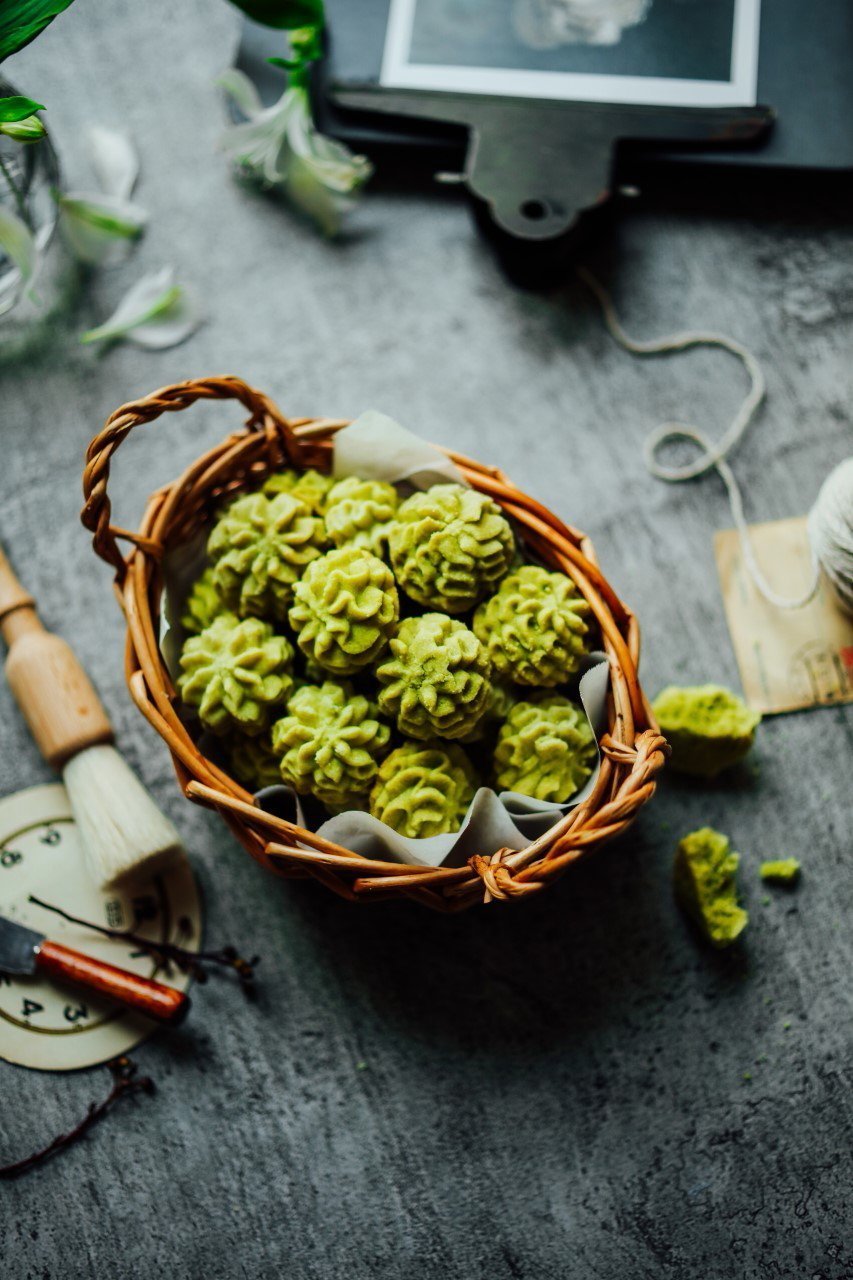
Lowrey uses matcha from Shizuoka, Japan, in its Matcha Butter Cookies. The recipe contains 41% New Zealand cultured butter and 2.7% matcha powder.
The result is a rich buttery base with a smooth green tea note and a delicate, melt-in-the-mouth texture. These are butter cookies rather than a substitute for a prepared matcha drink.
Explore the complete Lowrey Butter Cookies collection, or learn how cultured butter differs from regular butter.
Frequently Asked Questions
Is matcha the same as green tea?
Matcha is a type of green tea, but not every green tea is matcha. Matcha is a finely ground tea powder traditionally produced from shade-grown tencha.
What is the biggest difference between matcha and green tea?
The biggest practical difference is how they are consumed. Matcha powder remains in the drink, while brewed green tea leaves are normally removed after steeping.
Does matcha taste stronger than green tea?
Matcha usually has a fuller and more concentrated taste than ordinary brewed green tea. However, flavour strength depends on the product, amount used and preparation method.
Is matcha more bitter than green tea?
Not necessarily. Matcha can contain bitterness and astringency, but it may also have umami and mild sweetness. Brewed green tea can also become bitter when too much leaf, overly hot water or a long steep is used.
Does matcha contain more caffeine?
A matcha drink may contain more caffeine than an ordinary brewed green tea because the powder is consumed. Actual caffeine depends on the tea, serving size and preparation, so this is not true in every comparison.
Can green tea leaves be used instead of matcha in baking?
Tea leaves can flavour food, but they do not behave like fine matcha powder. For a detailed baking comparison, read our guide to matcha and green tea powder.
What matcha does Lowrey use?
Lowrey Matcha Butter Cookies use matcha from Shizuoka, Japan. The recipe contains 2.7% matcha powder and 41% New Zealand cultured butter.
The Bottom Line
Matcha and brewed green tea come from the same tea plant, but they provide different drinking experiences.
Matcha is whisked or mixed into water, and the fine powder remains in the drink. This produces a fuller texture, more concentrated tea flavour and opaque green appearance. Brewed green tea is made by steeping leaves and removing them, creating a clearer and generally lighter infusion.
Both contain caffeine, but the amount depends on the tea, serving and preparation. Neither is automatically better or healthier for every person.
Choose matcha when you want a fuller tea flavour or an ingredient that can remain noticeable in lattes and desserts. Choose brewed green tea when you want a lighter drink and the opportunity to explore a wide range of leaf styles and aromas.
Taste Matcha with New Zealand Cultured Butter
Discover Lowrey Matcha Butter Cookies, made in New Zealand and presented in a single-flavour red gift tin.
This article provides general food information and is not medical advice. Tea and product composition can vary. Check current labels for ingredients, allergens, caffeine information and preparation guidance.

