

Premium Butter Cookie Price Guide
Premium butter cookies can cost more because real butter, recipe choices, careful production, delicate handling and gift-ready packaging all add cost. A higher price, however, is not proof of better quality by itself. The ingredients, texture, workmanship, origin and presentation should explain what the buyer is paying for.
Quick answer: Premium butter cookies may cost more when the price reflects meaningful product choices such as a butter-led recipe, careful small-batch production, a deliberately refined texture and substantial gift packaging. The useful question is not simply “Is it expensive?” but “What specific choices account for the price?”

Why Do Premium Butter Cookies Cost More?
A well-made premium butter cookie can accumulate extra cost at several stages. Not every premium-priced product includes every factor below, which is why buyers should look for specific, verifiable product information.
Recipe
Real butter and flavour-specific ingredients can be significant parts of the recipe rather than minor additions.
Production
Mixing, shaping, baking, cooling and packing a delicate product require time and consistent control.
Packaging
A reusable metal gift tin uses more material and shipping space than a lightweight flexible packet.
1. Real Butter Is a Meaningful Ingredient Cost
Butter contributes flavour, aroma, richness, mouthfeel and structure. In a product called a butter cookie, buyers reasonably expect butter to play a real role in the recipe rather than appearing only as a decorative idea on the package.
Recipes designed for different price points may use different proportions and types of fat. That does not automatically make one style better than another. A crisp everyday biscuit and a delicate butter-forward cookie may simply be designed for different preferences and occasions.
For Lowrey, the butter proportion varies by flavour. Lowrey Original contains 42% New Zealand grass-fed cultured butter. Other flavours have their own balanced recipes and flavour-specific ingredients, so the Original percentage should not be applied to the entire range.
2. Butter Content Works Together with the Whole Recipe
The amount of butter in a recipe can influence how dough behaves, how a cookie holds its shape and how it feels in the mouth. But percentage alone does not determine quality. Flour, starch, sugar, flavour ingredients, mixing and baking all work together.
Lowrey Original is made with four simple ingredients: cultured butter, wheat flour, corn starch and icing sugar. The balance of those ingredients, together with the production process, supports its deliberately delicate, very fragile and melt-in-the-mouth texture.
For a broader explanation of premium quality beyond price, see What Makes a Butter Cookie Premium?.
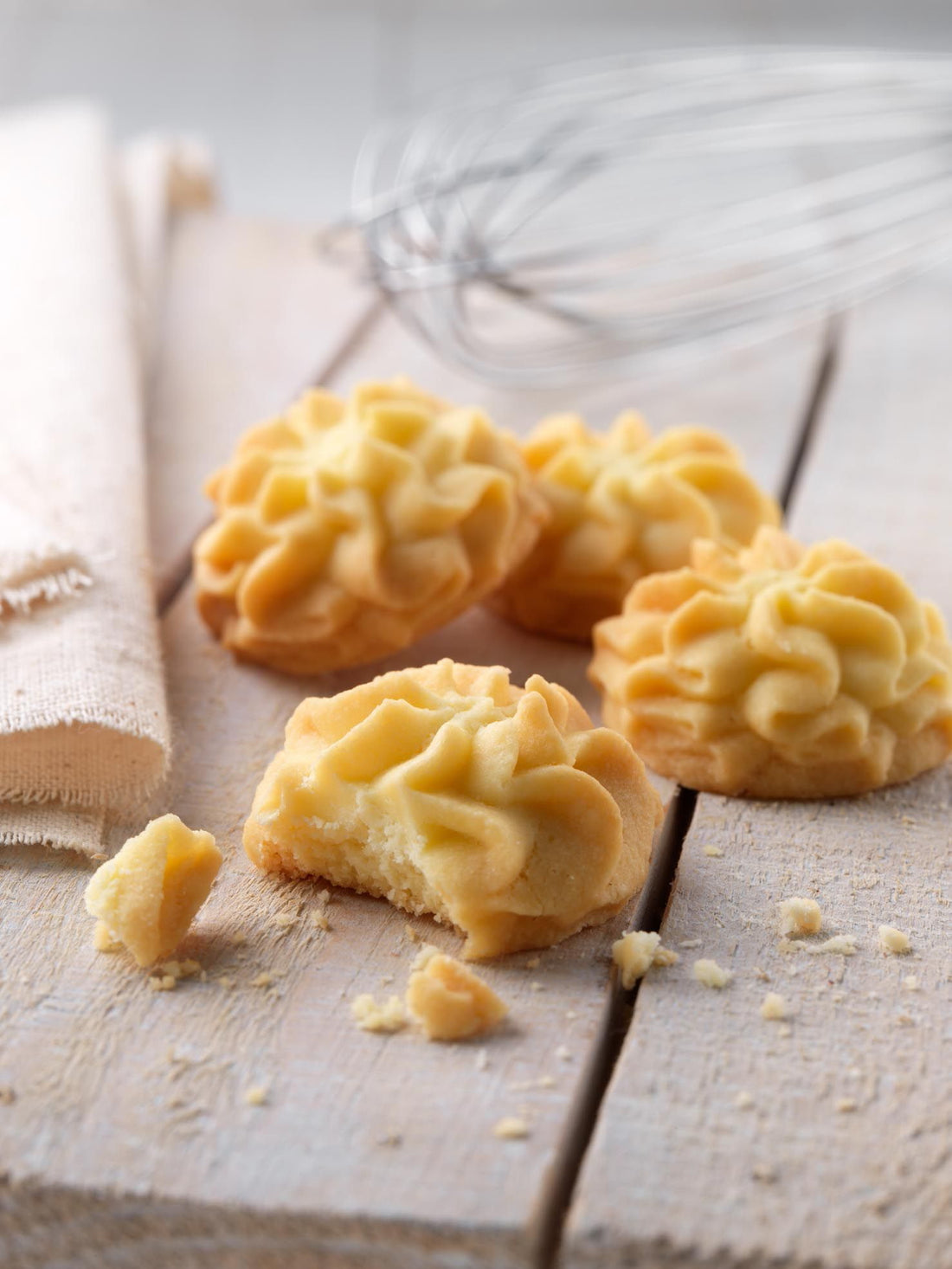
3. Cultured Butter Adds a Distinct Flavour Dimension
Butter is not a completely uniform ingredient. Cultured butter is made from cream that has been cultured before churning, which can contribute a fuller dairy aroma and a more rounded butter flavour.
That character can be especially noticeable in a butter-led cookie where the dairy flavour is intended to remain central rather than being hidden by heavy sweetness.
Lowrey uses New Zealand cultured butter across its butter cookie range. Read more in the dedicated guide to cultured butter cookies.
4. Simple Recipes Leave Less Room to Hide
A short ingredient list does not automatically prove quality, but it can make recipe balance easier to notice. Too much sweetness can cover butter flavour, an unsuitable flour balance can make a cookie heavy, and poor temperature control can affect shape and texture.
Lowrey Original keeps the recipe particularly simple. Other Lowrey flavours use their own additions, including Dutch cocoa for Chocolate, matcha from Shizuoka Prefecture in Japan for Matcha, freeze-dried raspberry powder for Raspberry and black sesame for Black Sesame.
Because recipes vary by flavour, customers should use the current product page and package label for the latest ingredient and allergen information.
5. Handcrafting and Process Control Add Labour
Premium does not have to mean handmade, and handmade does not automatically mean better. However, handcrafted production can involve more direct attention during mixing, forming, baking, cooling and packing than a process designed primarily for maximum speed.
Lowrey Butter Cookies are handcrafted in small batches in New Zealand. Their distinctive swirled shapes are hand-piped by the bakery team, while the overall process still relies on controlled production rather than implying that every single step is performed entirely by hand.
6. A Delicate Melt-in-the-Mouth Texture Requires Careful Handling
Texture is one of the clearest reasons two butter cookies can feel like very different products even when both are sold in tins. Some are crisp and firm; some are dense and crumbly; others are intentionally delicate.
Lowrey's intended texture is delicate, very fragile and melt-in-the-mouth, not hard or strongly crunchy. That fine structure can be more vulnerable to impact during handling and delivery.
A fragile texture is therefore both an eating characteristic and a handling consideration. It should be described honestly rather than treated as if a premium package makes breakage impossible.
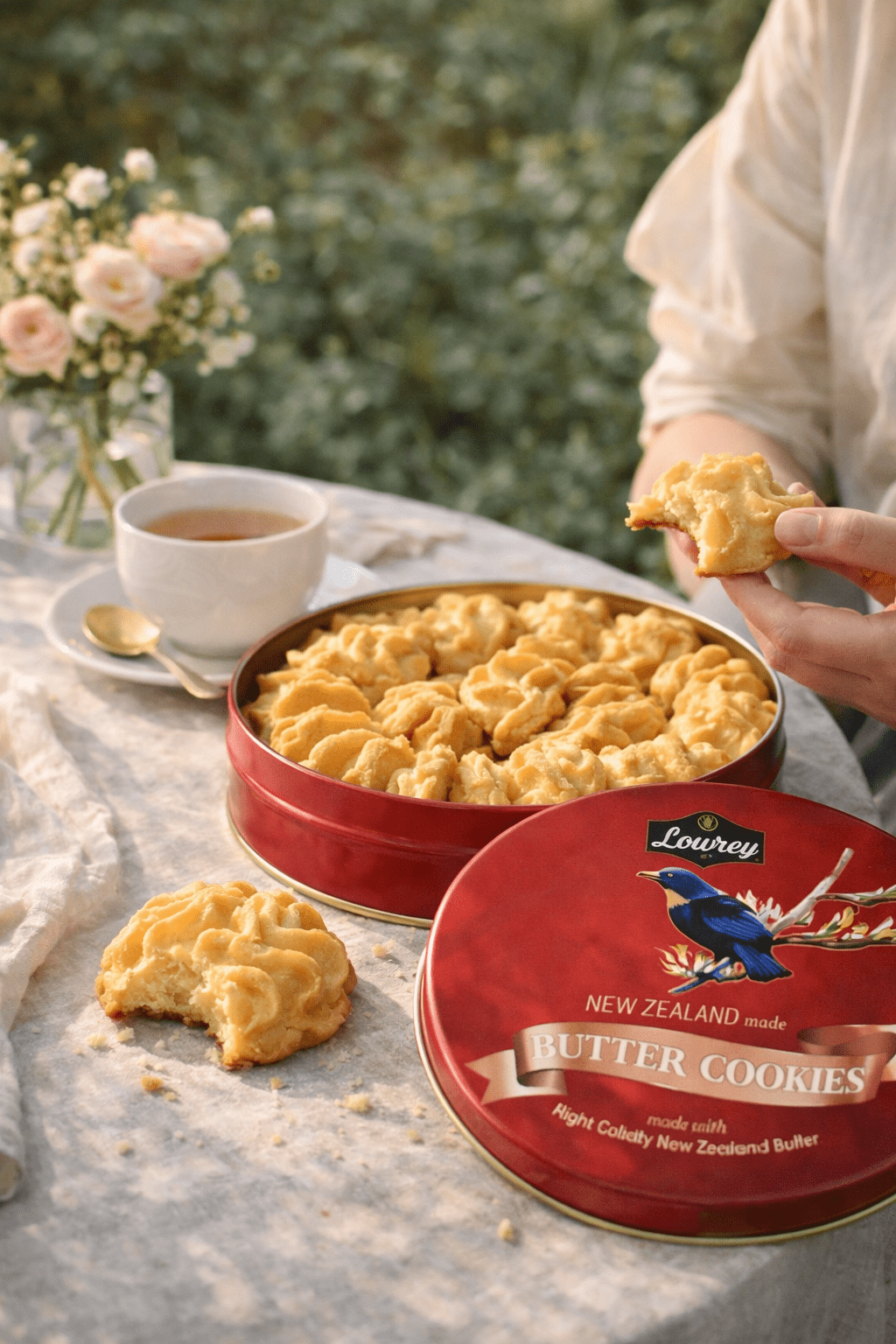
7. Reusable Gift Tins Have a Real Packaging Cost
Packaging is part of the price of any food product. A metal tin generally uses more material, storage space and shipping weight than a lightweight flexible packet.
Lowrey uses distinctive red metal gift tins. The tin provides external structure, keeps the product together for presentation and can be reused for suitable storage after the cookies have been enjoyed.
Important: the tin provides external support, but it does not guarantee that every delicate cookie will remain completely unbroken during handling or courier delivery.
| Packaging format | Typical advantage | Cost consideration |
|---|---|---|
| Flexible packet | Lightweight and convenient | Usually less material and shipping weight |
| Paperboard box | Printable surface and moderate structure | More material and structure than a simple packet |
| Metal gift tin | Presentation, external support and reusability | More material, weight and storage space |
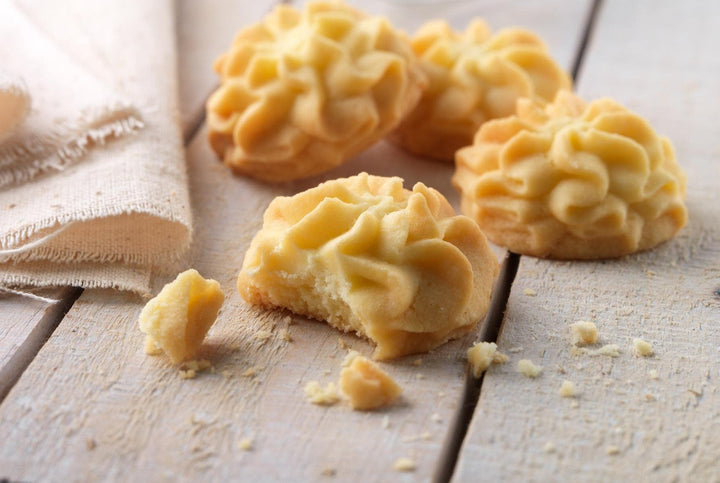
8. Premium Cookies Are Often Bought for Gifting and Sharing
Everyday biscuits are commonly bought for routine snacking. Premium cookie tins are also chosen for host gifts, thank-you gifts, family gatherings, festive occasions and business gifting.
In those situations, buyers consider more than cost per cookie. Presentation, ease of sharing, origin, flavour choice and whether the packaging feels suitable for the occasion can all become part of the value.
For larger workplace, staff and client requirements, use the dedicated Lowrey Corporate Gifting page for current minimum quantities, quotation and delivery information.
Premium Cookies, Gourmet Cookies and Premium Biscuits: What Should Buyers Compare?
Different markets use different words for similar products. Shoppers may search for premium cookies, gourmet cookies, premium biscuits, butter cookies or cookie gift tins. The label can change, but the useful buying questions stay similar.
Compare the actual recipe, butter type, country of manufacture, intended texture, net weight, packaging and storage information. A product described as “gourmet” or “premium” should still provide concrete facts that help a buyer understand the difference.
For shoppers choosing a gift, presentation matters too. A reusable cookie gift tin may add practical value when the recipient can share the cookies and keep the tin afterward, while a lightweight packet may make more sense when convenience and lower shipping weight matter more.
What Should You Look for Before Buying Premium Butter Cookies?
If you are comparing premium butter cookies for yourself or as a gift, use a short buying checklist rather than judging by price alone:
- Butter and recipe: Is real butter clearly identified, and are flavour-specific ingredients explained?
- Texture: Does the description match what you actually want: crisp, crumbly, delicate or melt-in-the-mouth?
- Origin: Where are the cookies actually made?
- Net weight: Compare how much product is inside rather than judging only by package size.
- Packaging: Does the format add useful presentation, support or reusability?
- Recipient fit: If the cookies are a gift, does the flavour and texture suit the person receiving them?
For current Lowrey tins and fixed multi-tin gift sets, browse the Lowrey Butter Cookies collection. For detailed product facts, see the Lowrey Butter Cookies Guide.
Are Premium Butter Cookies Worth Buying as Gifts?
They can be when the gift needs to feel considered, easy to present and easy to share. A cookie gift tin may suit a host, family member, friend, client or colleague when the recipient enjoys the flavour and the product fits their dietary needs.
Premium butter cookies can also work as cookies to send as gifts when the seller supports delivery to the destination and the product is packed appropriately. Delicate cookies still need realistic expectations: a rigid tin provides external support but cannot guarantee zero breakage.
The gift is more likely to feel worthwhile when the product offers something specific beyond branding, such as clear New Zealand origin, cultured-butter flavour, a distinctive texture or reusable presentation.
Premium Butter Cookies vs Everyday Biscuits
There is no universal rule that one category is better. They may simply be designed around different priorities.
| What to compare | Everyday biscuit may prioritise | Premium butter cookie may prioritise |
|---|---|---|
| Recipe | Affordability and broad appeal | A more defined butter-led or flavour-led product style |
| Texture | Durability, firmness or crunch | A particular intended texture that varies by brand |
| Production | Scale, speed and repeatability | Ingredient handling and process detail |
| Packaging | Low weight and convenience | Presentation, external support and gifting |
| Occasion | Regular snacking | Gifting, sharing or a special treat |
Are Expensive Butter Cookies Always Better?
No. Price can reflect ingredients, production, distribution, packaging or brand positioning, and none of those factors guarantees that the flavour or texture will suit every buyer.
A useful premium product should make its value understandable. Look beyond words such as “luxury”, “gourmet” and “premium”. Read the ingredient list, check where the product is made, understand the intended texture and decide whether the packaging is useful for the occasion.
How Can You Tell Whether Premium Butter Cookies Are Worth the Price?
- Check the recipe: Is butter genuinely central, and are the ingredients clearly explained?
- Understand the butter: If cultured butter is used, does the brand explain its flavour purpose?
- Check the texture: Crisp, crumbly and melt-in-the-mouth describe different products.
- Verify the origin: Look for the actual country of manufacture rather than relying only on branding.
- Assess the packaging: Consider presentation, support, reusability, weight and whether it suits the occasion.
- Compare net weight: A larger-looking package does not necessarily contain more product.
A premium cookie is worth its price when the qualities a buyer values are genuinely present, not simply because the package carries a premium label.
What Accounts for the Price of Lowrey Butter Cookies?
Lowrey's price reflects a combination of product and presentation choices rather than one single feature:
- New Zealand cultured butter used across the butter-cookie range;
- 42% New Zealand grass-fed cultured butter in Original;
- flavour-specific recipes across six varieties;
- handcrafted small-batch production in New Zealand;
- a deliberately delicate, very fragile, melt-in-the-mouth texture;
- reusable red metal gift tins; and
- single-flavour tins and fixed multi-tin gift sets.
The six flavours are Original, Coffee, Chocolate, Matcha, Raspberry and Black Sesame. Each tin contains one selected flavour rather than a mixed assortment. Standard Original, Coffee, Chocolate, Matcha and Raspberry tins are 430 g, while Black Sesame is 360 g.
Lowrey will not be the right choice for every shopper. It is designed for people who value cultured-butter flavour, a delicate texture, New Zealand handcrafting and a distinctive reusable gift-tin format. Those are the specific qualities to compare against the price.
Frequently Asked Questions
Why are premium butter cookies more expensive?
They can cost more because real butter, recipe choices, careful production, delicate handling and gift-ready packaging can all add cost. Buyers should check the actual product details rather than assuming that a premium label automatically means better quality.
Are gourmet cookies the same as premium butter cookies?
Not necessarily. “Gourmet” and “premium” are broad marketing terms, while butter cookies describe a more specific product category. Compare the actual butter, recipe, texture, origin, net weight and packaging rather than relying on the label alone.
Does more butter automatically make a better cookie?
No. Butter content can influence aroma, richness and texture, but recipe balance and production also matter. Flour, starch, sugar, flavour ingredients, mixing and baking all affect the finished cookie.
What is cultured butter?
Cultured butter is made from cream that has been cultured before churning. It can contribute a fuller dairy aroma and more rounded butter flavour.
Are premium butter cookies supposed to be crunchy?
Not necessarily. Texture varies by recipe and brand. Lowrey Butter Cookies are deliberately delicate, very fragile and melt-in-the-mouth rather than hard or strongly crunchy.
Why can delicate butter cookies break?
A fine, fragile structure can help create a melt-in-the-mouth texture but can also make a cookie more vulnerable to impact. A metal tin provides external support but cannot guarantee complete freedom from breakage.
How much butter is in Lowrey Original Butter Cookies?
Lowrey Original contains 42% New Zealand grass-fed cultured butter. Other Lowrey flavours have their own recipes, so the Original percentage should not be applied across the whole range.
Are Lowrey Butter Cookies made in New Zealand?
Yes. Lowrey Butter Cookies are handcrafted in small batches in New Zealand and presented in reusable red metal gift tins.
Are premium butter cookies good for gifting?
They can be when the flavour, texture, presentation and recipient needs are a good match. A gift tin can be easy to present and share, while reusable packaging may add practical value after the cookies are finished.
Compare Premium Butter Cookie Gift Tins
Explore six New Zealand-made Lowrey Butter Cookie flavours in reusable red metal gift tins, or read the complete guide before choosing.

