

Quick answer: Butter, margarine and palm oil can all be used in cookie production, but they are not interchangeable ingredients. Butter contributes dairy flavour and contains both fat and water. Margarine is a formulated spread or baking fat whose oils, water content and performance vary by product. Palm oil is an individual plant oil that may be used directly or as part of a shortening or margarine blend. The finished cookie depends on the complete recipe—not the name of one fat alone.
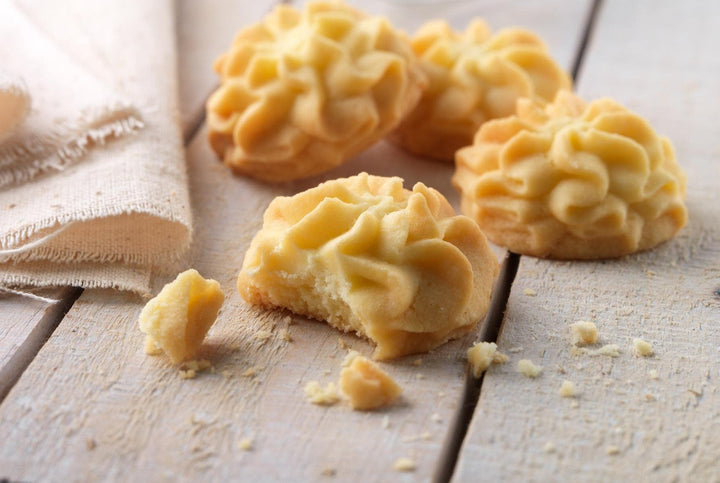
Butter vs Margarine vs Palm Oil: The Main Differences
Choosing a fat for cookies involves several separate questions. What flavour should lead? Should the cookie be delicate, crisp, firm or chewy? How much spread is wanted during baking? Does the recipe need dairy-free ingredients? What does the ingredient label actually say?
The best nutritional choice and the best technical choice for a particular cookie recipe are not necessarily the same question. This guide therefore compares how the three fats are made, how they can behave in cookies and what shoppers should check on a packaged-food label.
| Feature | Butter | Margarine | Palm oil |
|---|---|---|---|
| What it is | A dairy fat made by churning cream | A formulated water-in-oil product, commonly made with a blend of edible oils | An oil obtained from the fruit of the oil palm |
| Typical flavour contribution | Recognisable dairy flavour; cultured butter may add greater complexity | Varies from neutral to deliberately butter-flavoured, depending on the formula | Refined palm oil is generally mild; flavour depends on processing and the complete recipe |
| Water content | Contains water as well as milkfat and milk solids | Varies substantially by product; table spreads and baking margarines may behave differently | The oil itself contains essentially no water, although a palm-based blend may |
| Allergen point | Contains milk | May be dairy-free or may contain milk-derived ingredients; check the label | Palm oil itself is not dairy, but the finished product may contain other allergens |
| Cookie result | Can provide dairy aroma, browning and a tender or crisp texture, depending on the formula | Can be designed for consistency, aeration, shaping or reduced spread | Can contribute firmness and heat stability, especially when used in a fat blend |
These are general tendencies, not guarantees. Fat percentage, moisture, flour, sugar, starch, emulsifiers, mixing, shaping and baking conditions all affect the result.
What Is Butter?
Butter is made by churning cream so that the milkfat separates and forms a semi-solid emulsion. It contains milkfat, water and milk solids. Salt may also be added, depending on the product.
In cookies, butter can contribute:
- a recognisable dairy aroma and flavour;
- browning from milk solids during baking;
- tenderness as fat coats flour particles and limits gluten development; and
- spread and texture changes as the butter softens and melts.
None of these effects is created by butter alone. A high-butter cookie can be crisp, crumbly, chewy or very delicate depending on the rest of the formula and the baking process.
Regular Butter and Cultured Butter Are Not the Same
Regular sweet-cream butter is made without a separate culturing stage for flavour. Cultured butter uses selected bacterial cultures to develop a fuller dairy character before or during butter making. Culturing can affect aroma and flavour, but it does not automatically make butter healthier or guarantee a particular cookie texture.
For a more focused explanation, read Cultured Butter vs Regular Butter in Cookies.
What Is Margarine?
Margarine is not one single oil. It is a formulated product commonly made from edible oils, water and other ingredients that help create the intended flavour, texture and stability. The oils may include canola, sunflower, soybean, palm or other sources, depending on the manufacturer and market.
This is why two margarines can perform very differently. A soft table spread with a relatively high water content may not be suitable for a recipe developed for butter. A commercial baking margarine may be designed to hold shape, incorporate air or remain workable across a particular temperature range.
It is also outdated to assume that every modern margarine is made by partial hydrogenation. Production methods and fat blends vary. If trans fat is a concern, inspect the ingredient list and nutrition information for the specific product rather than judging it only by the word “margarine”.
What Is Palm Oil?
Palm oil is a plant oil, not a synonym for margarine. It may be used as one component in margarine, shortening, fillings or commercial baked goods because its natural fat composition can provide semi-solid structure without relying on partial hydrogenation.
In a cookie formula, palm oil or a palm-based fat may help with firmness, shape retention, processing consistency and shelf stability. Refined palm oil is usually selected for a relatively mild flavour, although the sensory result still depends on the oil, its processing and the other ingredients.
Its presence does not by itself reveal the quality of the whole cookie. Likewise, the absence of palm oil does not automatically make a food nutritious. Read the complete ingredients and nutrition information in context.
How the Fat Changes a Cookie
1. Flavour and Aroma
Butter contributes dairy-derived flavour compounds that are especially noticeable in simple cookies. Cultured butter may add a rounder or more complex dairy aroma. Margarine can be neutral or flavoured, while refined palm oil is often used where a milder fat profile is wanted.
However, chocolate, coffee, spices, fruit, tea, sesame and other strong ingredients may partly mask the fat’s flavour. A blind comparison only makes sense when the complete recipes are otherwise similar.
2. Texture and Melt
Texture depends on how the fat behaves at mixing, shaping, oven and eating temperatures. A fat that is soft in the dough may encourage spread. A firmer fat may help a deposited or moulded cookie retain its shape. The way the fat melts in the mouth also influences whether the cookie feels creamy, waxy, crisp or short.
It is too simple to claim that butter always melts better or that margarine always feels waxy. Each product has its own solid-fat profile, moisture level and formulation.
3. Water and Recipe Balance
Butter and most margarines contain water, but not necessarily in the same amount. That water becomes part of the dough and can influence gluten development, steam, spread and final moisture. Pure oils contain essentially no water.
Replacing butter gram-for-gram with a lower-fat spread or pure oil can therefore alter the ratio of fat, water and solids. The result may spread too far, stay too firm, brown differently or lose the texture the recipe was designed to create.
4. Consistency in Production
Commercial bakers may choose specially formulated fats for predictable handling, aeration or temperature tolerance. Artisan and premium products may instead prioritise a particular ingredient flavour. Neither choice tells the whole quality story: consistency, ingredient quality, formula design and careful baking all matter.
Can You Substitute One Fat for Another?
Sometimes, but not always on a one-to-one basis. Before substituting, compare:
- total fat percentage;
- water content;
- salt level;
- melting and softening behaviour;
- whether emulsifiers or milk solids are present; and
- the flavour and texture the original recipe is intended to produce.
A recipe may need adjustments to flour, liquid, chilling time or baking temperature. For reliable results, use a recipe developed and tested for the chosen fat rather than assuming every solid fat will work identically.
Is Butter Healthier Than Margarine or Palm Oil?
There is no responsible blanket answer based only on these three names. Butter and palm oil are relatively high in saturated fat. Margarine varies: some products are made mostly with unsaturated plant oils, while others contain more saturated fat. Portion size, the specific product and the overall diet all matter.
The Heart Foundation New Zealand advises that replacing saturated fats with unsaturated plant oils and spreads is generally more favourable for heart health. This is a nutrition question, however—not proof that a plant-oil spread will produce the flavour or structure wanted in a particular butter-cookie recipe.
Cookies should be enjoyed as discretionary foods rather than presented as a source of health benefits. “Cultured”, “New Zealand made” and “made with butter” are product or process descriptions, not automatic health claims.
Does Margarine Always Contain Trans Fat?
No. Industrial trans fat is associated particularly with partially hydrogenated oils, but modern margarine formulations differ by brand and country. Fully hydrogenated oils also should not be confused with partially hydrogenated oils; they have different fat profiles.
The World Health Organization explains that industrial trans fat is produced by partial hydrogenation and should be avoided. If this issue matters to you, check for “partially hydrogenated oil” in the ingredient list and consult the current nutrition panel. For more detail, read Lowrey’s guide to hydrogenated oils and trans fats.
What About Environmental Impact?
It is inaccurate to label margarine “low impact”, butter “minimal impact” and palm oil “high impact” without evidence about the actual supply chains. Environmental outcomes depend on farming practices, land use, yield, processing, transport and sourcing standards.
Palm production can be associated with deforestation when expansion replaces forests or peatlands. Dairy and other oil crops also have environmental impacts. A more useful approach is to look for credible sourcing, traceability and supplier information rather than assuming the ingredient name alone provides a complete environmental ranking.
How to Read a Cookie Ingredient Label
Use the full label rather than relying only on front-of-pack words. Check:
- The ingredient order: ingredients are generally listed by weight from greatest to least at the time of manufacture.
- The exact fat names: look for butter, milkfat, margarine, shortening, vegetable oil, palm oil or named oil blends.
- Percentage declarations: if a product highlights butter, see whether the percentage is stated.
- “Made with butter” wording: this does not necessarily mean butter is the only added fat.
- Butter flavour: a flavouring is not the same ingredient as butter.
- Partially hydrogenated oil: do not assume every margarine contains it; verify the specific label.
- Allergens: butter contains milk, and the finished cookie may also contain wheat, egg, nuts, sesame or other allergens.
Recipes can change, so the current package is the best source for a specific product’s ingredients, allergens and nutrition information.
Why Lowrey Chooses New Zealand Cultured Butter
Lowrey chooses New Zealand cultured butter because its developed dairy aroma suits the intended flavour of the cookies. The decision is about product character—not a claim that every other fat is inherently inferior or that cultured butter makes a cookie healthier.
Lowrey Original Butter Cookies are made with 42% New Zealand cultured butter by recipe weight. That figure describes the amount of butter in the Original cookie formula; it does not describe the milkfat percentage of the butter itself, and it should not be applied to every Lowrey flavour.
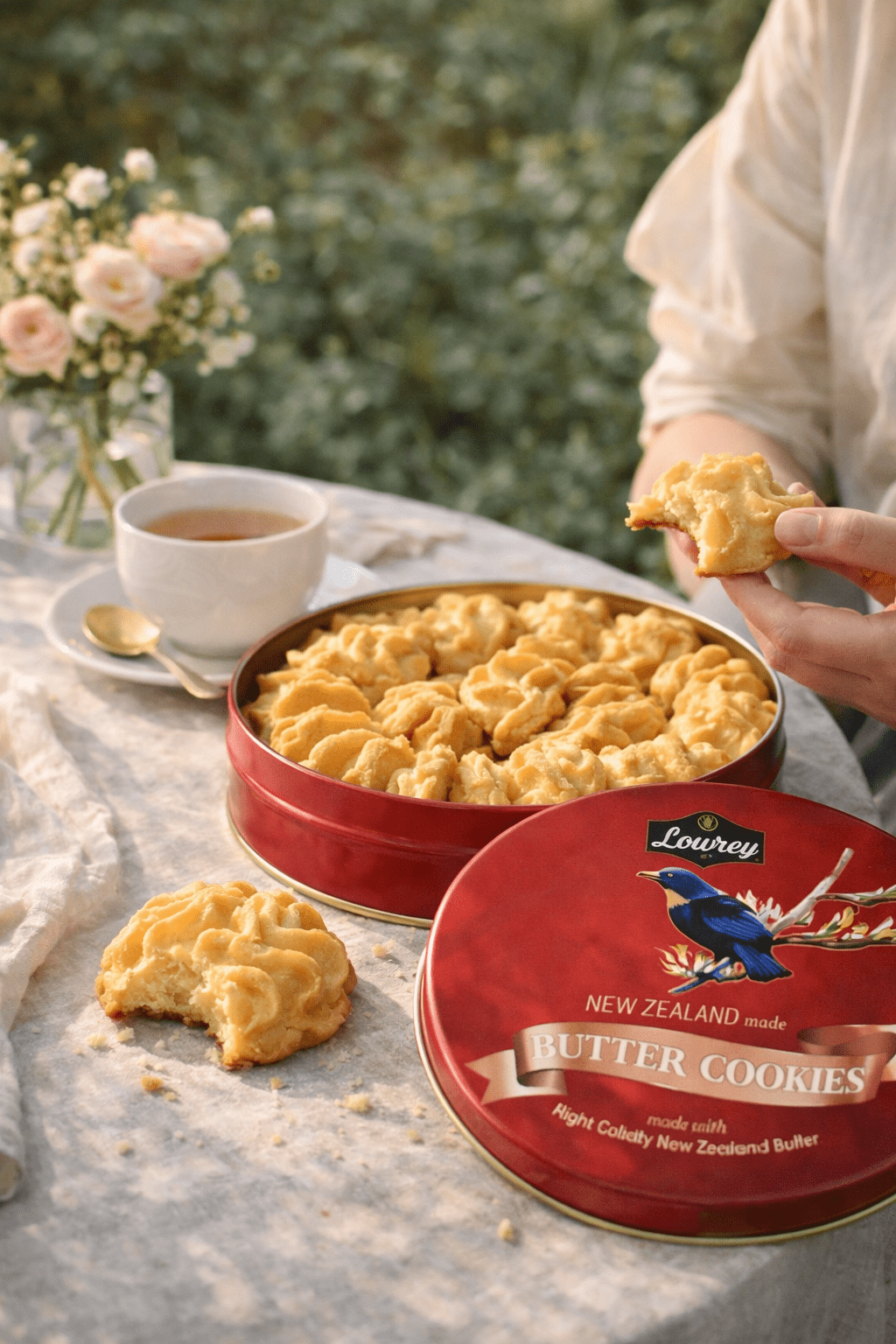
Lowrey Butter Cookies are made without margarine or palm oil. Each flavour has its own recipe and flavour ingredients, so customers should check the current label for the complete ingredients and allergens. The cookies’ delicate, very fragile, melt-in-the-mouth texture comes from the complete formula and process, not from cultured butter alone.
Which Fat Is Best for Cookies?
The answer depends on the intended cookie:
- Choose butter when dairy flavour is central to the recipe and milk is suitable for the intended consumer.
- Choose a tested baking margarine when a recipe is specifically designed for its handling, structure or dietary profile.
- Choose a palm-containing formulation only after considering the technical need, label transparency and sourcing information.
A well-designed recipe matters more than a simplistic “winner”. Lowrey’s own choice is cultured butter because it matches the rich aroma, refined flavour and delicate texture the brand wants its butter cookies to deliver.
Frequently Asked Questions
Is margarine the same as palm oil?
No. Margarine is a formulated product made from edible oils, water and other ingredients. Palm oil is one specific plant oil that may or may not be included in a margarine.
Does all margarine contain trans fat?
No. Formulations vary. Industrial trans fat is associated particularly with partially hydrogenated oils, so check the specific ingredient list and nutrition information rather than assuming every margarine is the same.
Can I replace butter with margarine in a cookie recipe?
Sometimes, but the result may change because total fat, water, salt and melting behaviour differ. Use a margarine suitable for baking and, ideally, a recipe tested for that product.
Is cultured butter healthier than regular butter?
It should not be treated as inherently healthier. Culturing primarily develops flavour. Compare the relevant nutrition labels and serving sizes if making a dietary choice.
Does “made with butter” mean butter is the only fat?
Not necessarily. A cookie may contain butter together with vegetable oil, margarine or shortening. Read the complete ingredient list and any percentage declaration.
Why does Lowrey use cultured butter?
Lowrey uses New Zealand cultured butter for its developed dairy aroma and rounded flavour. The Original Butter Cookies contain 42% cultured butter by recipe weight, while other flavours have their own formulas.
Choose by Recipe, Label and Intended Result
Butter, margarine and palm oil each bring different compositions and technical possibilities to cookies. None can be judged accurately from a single slogan. Compare the actual product, read its label and consider the flavour and texture the recipe is designed to create.
For Lowrey, New Zealand cultured butter is the deliberate choice because butter flavour is meant to be noticed. Explore the Lowrey Butter Cookies collection to discover six single-flavour gift tins made in New Zealand.
Information note: This article provides general food and baking information, not personalised nutrition or medical advice. Ingredient formulations and labelling requirements can change; always refer to the current package.

